
Japan has resumed crude imports from Russia for the first time in nearly a year, underscoring the pressure on its energy supply chain following disruptions in the Middle East.
A tanker carrying Sakhalin Blend crude from Russia’s Sakhalin-2 project arrived at the port of Kikuma in Ehime Prefecture, marking the first shipment to Japan in 11 months. Refiner Taiyo Oil Co. confirmed the purchase, but did not indicate whether further cargoes are planned.
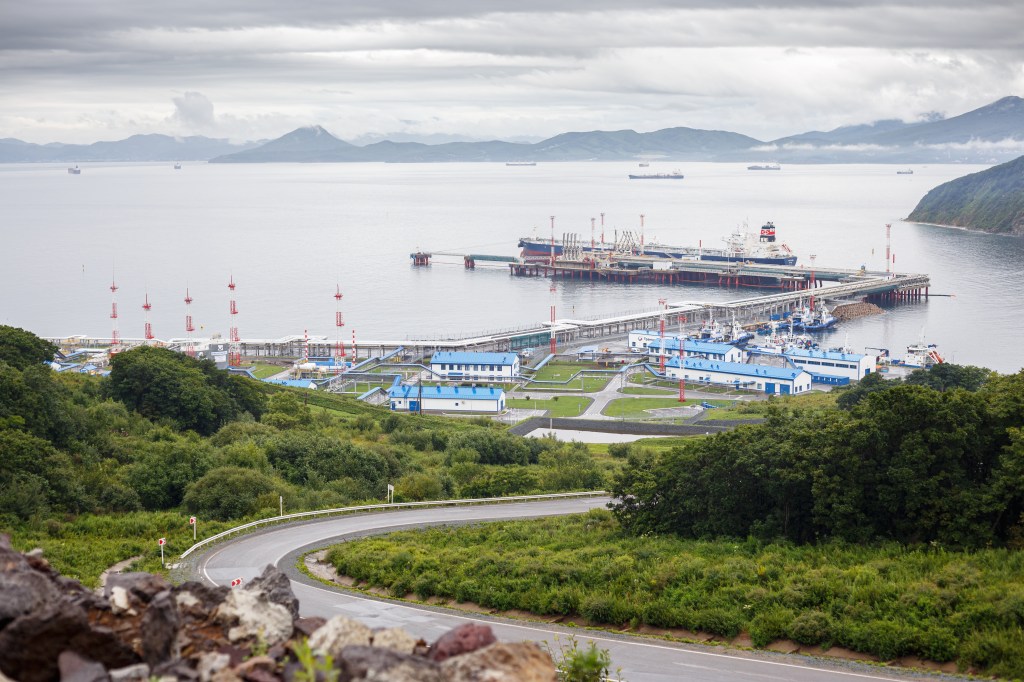
Japan has largely avoided Russian crude since 2022, when it joined the Group of Seven sanctions and price cap measures imposed after Moscow’s invasion of Ukraine. However, the Sakhalin-2 project has remained exempt from certain U.S. and U.K. restrictions at Tokyo’s request, given its importance to Japan’s energy security. The country sources about 9% of its liquefied natural gas imports from Sakhalin.
Japanese firms Mitsui & Co. and Mitsubishi Corp. hold minority stakes in the project, while Russia’s Gazprom PJSC is the operator.
The latest purchase comes as Japan faces supply constraints following the disruption of shipments through the Strait of Hormuz. The waterway has been effectively closed since February, after Iran moved to block transit in response to military strikes by the U.S. and Israel.
Prior to the disruption, Japan relied on the Middle East for up to 95% of its crude imports, with Saudi Arabia and the United Arab Emirates each accounting for roughly 40% of total supply. Exports from both countries have been curtailed, with alternative routes constrained by limited capacity at Saudi Arabia’s Red Sea terminals and damage to infrastructure at the UAE’s Fujairah port.
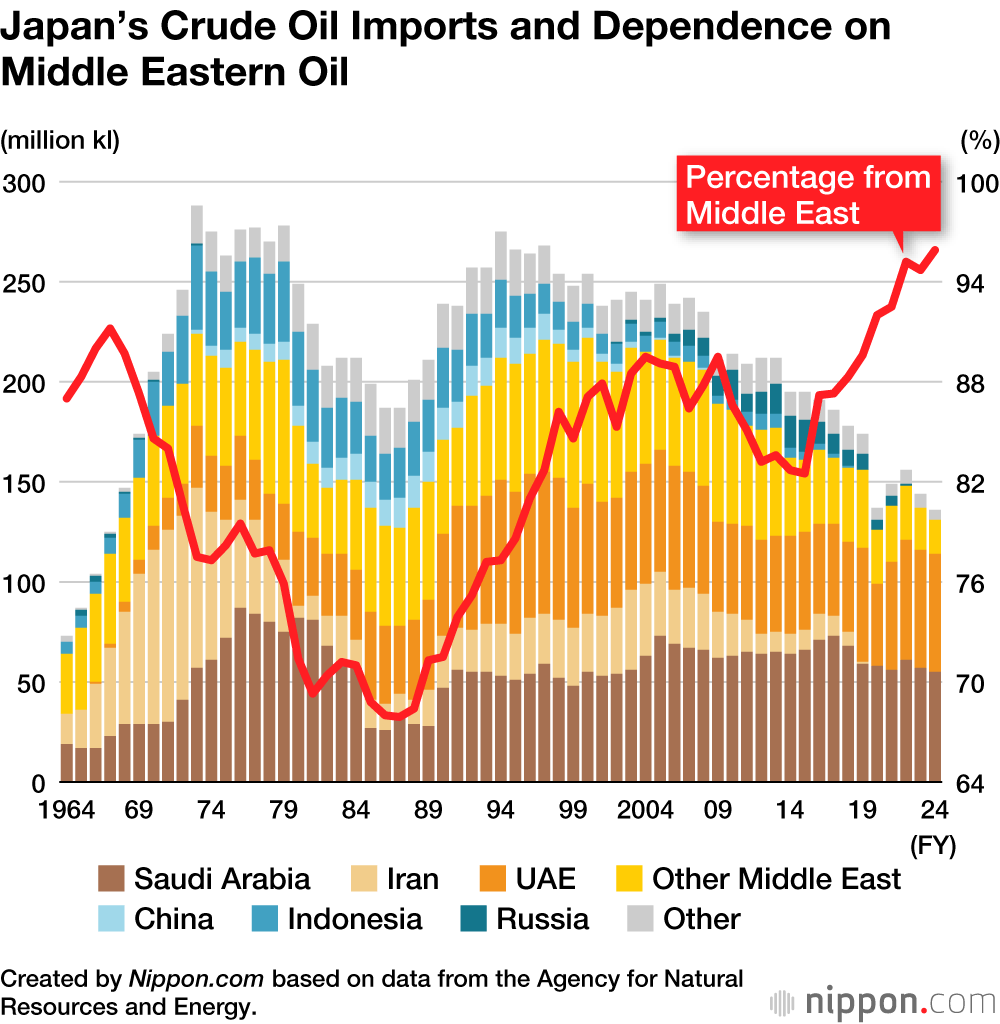
The supply shock has forced Japan to diversify imports, increasing purchases from the U.S., Southeast Asia, and Australia. Russia, due to its geographic proximity, presents a reasonable option despite strained political relations.
Energy ties between Tokyo and Moscow have been limited since 2022, though Japan has maintained its involvement in Sakhalin-2. Kyodo News reported in April that the Japanese government was considering sending an economic delegation to Russia to explore future cooperation, including in the energy sector, once conditions allow. No update on the initiative has been announced.

 The Eurasian Links