Russia remains the fourth-largest LNG producer as sanctions delay 2030 output target

Russia ranked as the world’s fourth-largest producer of liquefied natural gas in 2025, even as international sanctions forced the country to push back its ambition to produce 100 million tonnes of LNG annually by the end of the decade.

Russian companies produced 33 million tonnes of LNG in 2025, Deputy Prime Minister Alexander Novak said, giving the country about 7% of global LNG output. Production declined from 34.7 million tonnes in 2024, largely due to extensive maintenance work at LNG facilities during the summer months.
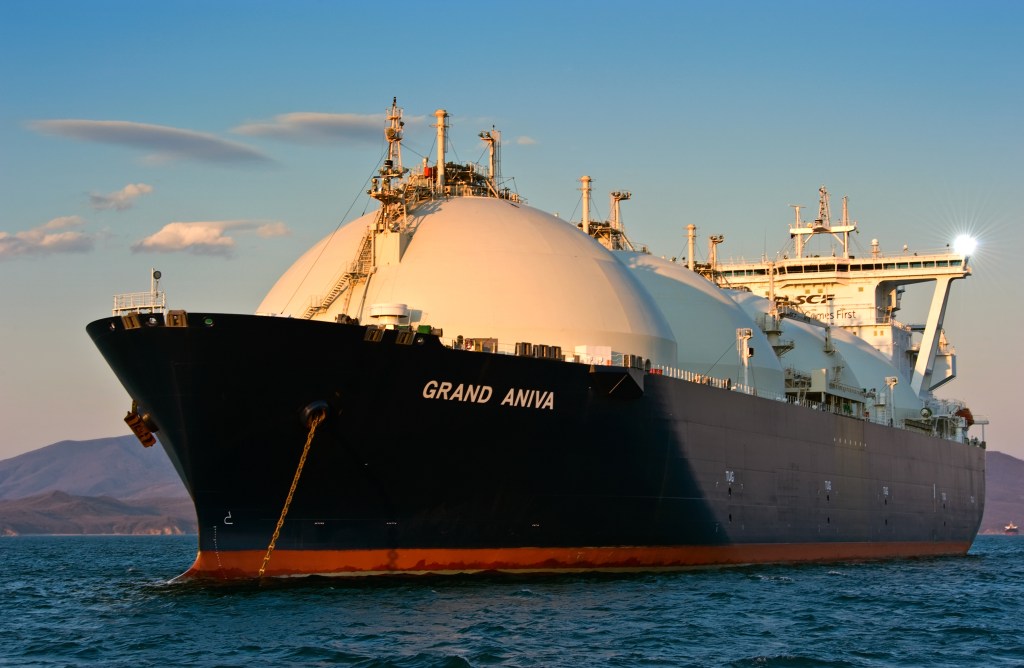
Image: Depositphotos

Despite the setback, Moscow intends to continue expanding the sector, which Novak described as one of the key growth drivers of the domestic energy industry. Sanctions, however, have delayed Russia’s long-term LNG expansion plans by restricting access to Western technology and equipment.

To offset these constraints, the government is accelerating the development of domestic LNG technologies. Novak said Russia has replaced 21 categories of previously imported equipment, including cryogenic pumps, compressors, shut-off and control valves, and other critical components used in liquefaction plants.

At the same time, Russia is redirecting gas exports toward Asian markets. Pipeline deliveries to China via the Power of Siberia reached 38 billion cubic meters (bcm) in 2025, achieving the pipeline’s full design capacity. Overall, exports to so-called “friendly” countries — those that have not imposed economic sanctions — accounted for about 70% of Russia’s total gas exports.

The picture is more challenging for LNG. Only 25% of Russia’s LNG volumes in 2025 were sold to friendly countries, highlighting continued exposure to sanctions-related trading and logistics risks.

Domestic demand has emerged as another pillar supporting the gas industry. Russian gas consumption reached 522 bcm in 2025, according to government data — about 1.5 times higher than consumption in the European Union, and roughly equivalent to combined gas demand in China and India.

Export diversification and rising domestic consumption have become central to Russia’s gas strategy as sales to Europe — once its most profitable market — continue to decline. The European Union recently approved legislation to halt imports of Russian LNG by the end of 2026 and ban pipeline gas imports by late 2027. E.U. energy ministers adopted the measures on January 26, 2026, with Slovakia and Hungary voting against and Bulgaria abstaining.
Russia boosts oil and gas reserves in 2025, outpacing crude output but tightening gas replacement

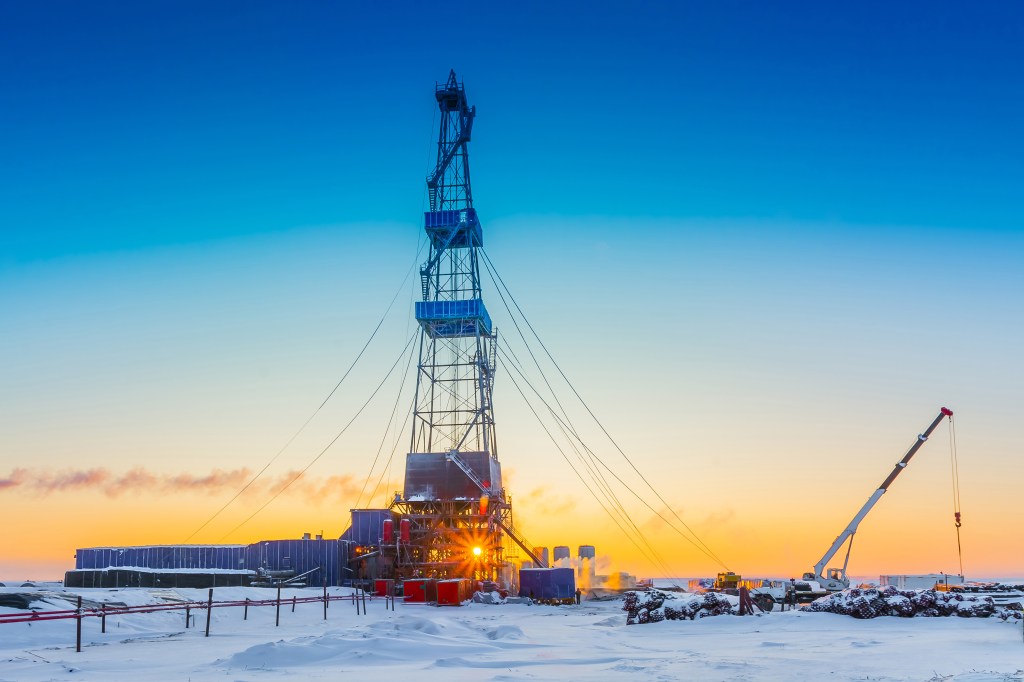
Russia added more recoverable oil and gas reserves in 2025 than it produced, underscoring the resilience of its upstream sector despite sanctions and market constraints continuing to reshape export strategies.

Image: Depositphotos

Russian oil and gas companies discovered 36 new hydrocarbon fields this year, lifting recoverable reserves by 666 million metric tonnes of crude oil and 686 billion cubic meters (bcm) of natural gas, Natural Resources Minister Alexander Kozlov said. Earlier projections by Rosnedra had estimated reserve additions of 510 million tonnes of oil and 635 bcm of gas.

The largest discoveries were the Tolavay gas condensate field in Yamalo-Nenetskiy autonomous district, holding 54.4 bcm of gas and 20.4 million tonnes of condensate, and the Mezeninskoye gas field in Krasnoyarsk Krai with 49.7 bcm of gas. Several smaller fields were also identified, including the medium-sized Ust-Byiryukskoye (14.3 bcm of natural gas and gas condensate) and Erkutayahskoye (11.6 million tonnes of oil) fields, while the remaining discoveries were classified as small by the ministry.

Russia’s oil output in 2025 is expected to total about 516 million tonnes, broadly flat from 2024, Deputy Prime Minister Alexander Novak has said. Production could rise by around 2% in 2026 to 525 million tonnes, with medium-term targets of 540 million tonnes annually. President Vladimir Putin has previously indicated that 2025 production could fall closer to 510 million tonnes due to Russia’s commitments under the OPEC+ agreement.

Natural gas production is forecast at 680.2 bcm in 2025 by the Ministry of Economic Development of Russia, while the International Energy Agency estimates output at about 690 bcm, slightly above 2024 levels.

The reserve additions imply a well-above-100% reserve replacement ratio for crude oil in 2025. For natural gas, however, replacement is only marginally above production, highlighting growing challenges for Russian producers in replenishing gas reserves.

While this is unlikely to threaten Russia’s position as a leading gas producer in the near to medium term, sanctions and intensifying competition in global LNG markets have curtailed export opportunities. As a result, Russian gas producers led by Gazprom are redirecting exports and prioritising domestic gasification, infrastructure expansion, and demand growth at home. Still, rising domestic consumption is unlikely to fully offset declining international sales, leaving reserve replacement a secondary concern compared with market access and monetisation challenges.